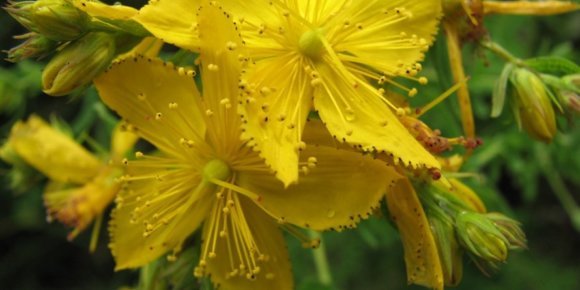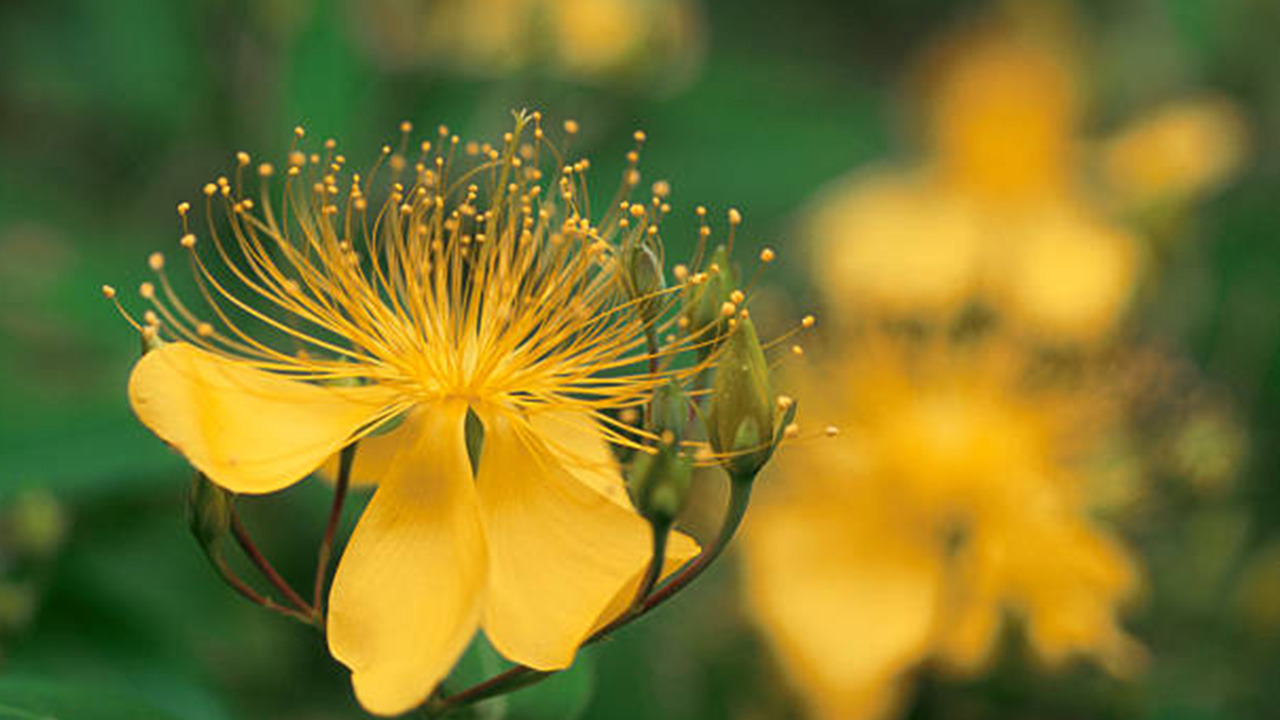
Top 10 st john’s wort benefits
What is St John’s Wort?
Extracts of Hypericum perforatum L. (St John’s wort) are now successfully competing for status as a standard antidepressant therapy. Because of this, great effort has been devoted to identifying the active antidepressant compounds in the extract. From a phytochemical point of view, St John’s wort is one of the best-investigated medicinal plants. Researchers in Europe have studied St John’s Wort for decades. They discovered a combination of elements in the plant, foremost of which is “hypericin”, react with specific chemicals in the brain to temper emotional discomfort, lift depression, and calm the nerves. Working very much likes the common synthetic prescription antidepressants (maprotiline hydrochloride and imipramine), natural extracts from St. John’s Wort have shown to relax and soothe the psyche with minimal side effects. Now let’s talk about st john’s wort benefits.
Works as an Antidepressant
Many studies show that St. John’s wort may help fight mild to moderate depression and anxiety and has fewer side effects than most other prescription antidepressants, such as loss of sex drive. However, there are St. John’s wort drug interactions, so the herb should be taken only under the guidance of a healthcare professional, especially if you already take medications for depression.
In a 2017 meta-analysis including 27 clinical trials and over 3,800 patients, researchers concluded that St. John’s wort has comparable efficacy and safety to SSRIs.” Studies show that St. John’s wort uses seem to work as well as selective serotonin reuptake inhibitors (SSRIs), a popular type of antidepressant that doctors often prescribe first to treat depression, such as Prozac, Celexa and Zoloft.
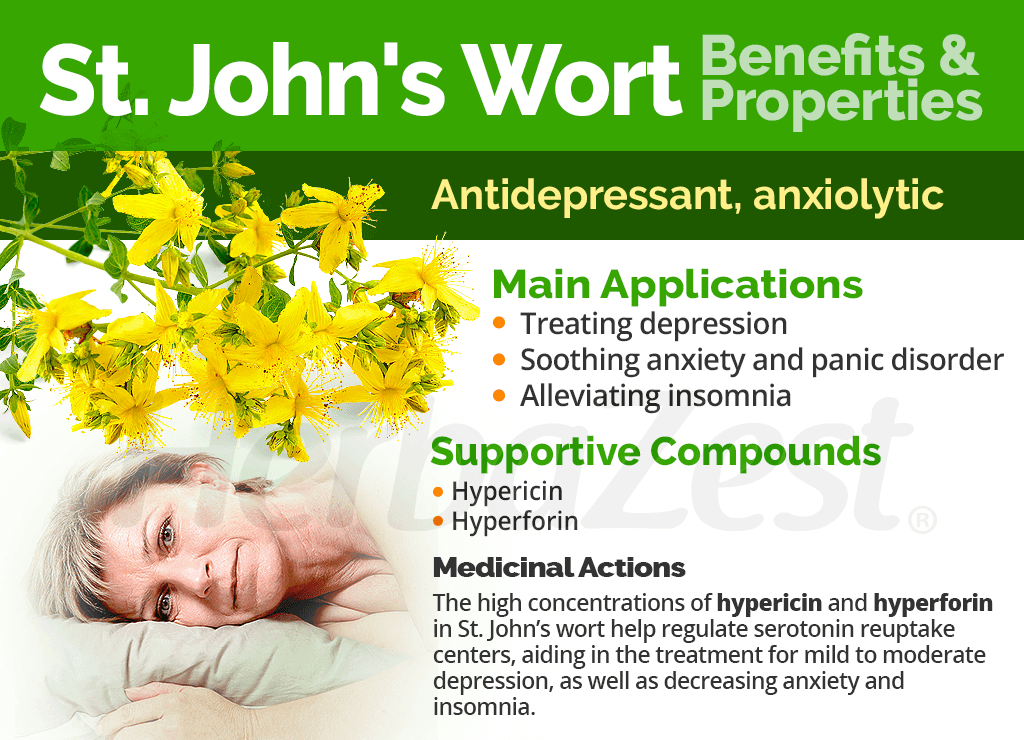
Researchers aren’t exactly sure how St. John’s wort works for depression; some have suggested that the herb acts similar to a SSRI because it makes more serotonin, dopamine and norepinephrine available in the brain. These neurotransmitters help improve your mood and can be responsible for treating symptoms of depression.
In studies using the rat forced swimming test, an animal model of depression, St John’s wort extracts induced a significant reduction of immobility. In other experimental models of depression, including acute and chronic forms of escape deficit induced by stressors, St John’s wort extract was shown to protect rats from the consequences of unavoidable stress.
St. John’s wort uses also include improving mood in people with seasonal affective disorder (SAD), a type of depression that occurs during the winter months because of lack of sunlight. SAD is usually treated with light therapy, and there is some evidence that using St. John’s wort together with phototherapy works even better as a way to beat the winter blues.
Relieves Anxiety st john’s wort benefits
One of The health st john’s wort benefits extends beyond depression, as they help people suffering from anxiety and mood swings as well. By helping to regulate the hormonal balance in the body, St. John’s wort is able to get the metabolism and internal clock back in line, providing help for sleeplessness, irritability, and chronic fatigue. Eliminating chronic stress hormones from the body can also improve overall health and cognitive function, as excess stress hormones can affect various organs.
Reduces Mood Swings st john’s wort benefits
Another st john’s wort benefits is reduced mood swings. There are two distinct periods of feminine sexual health that can be challenging in terms of mood swings: pre-menstrual syndrome and menopause. St. John’s wort is widely recommended for women in both these periods, as its chemical constituents have been shown to reduce mood swings and anxiety in menopausal women. Moreover, they reduce the severity of cramping and pre-menstrual irritation and depression.
Eases Withdrawal Symptoms st john’s wort benefits
It’s perhaps one of the most important st john’s wort benefits. Early indications show that the use of St. John’s wort can be very helpful in easing cravings and withdrawal symptoms after quitting cigarettes, alcohol or other addictive substances. This could prove very useful, as recovery from addiction is challenging. However, additional research on this particular benefit is still ongoing.
Antiviral Agent st john’s wort benefits
New research has recently come to light saying that St. John’s wort has certain antiviral capabilities, which reduce the risk of AIDS, hepatitis, and other serious viral conditions. The only problem with this is that very high doses of it are required for this sort of antiviral effect, which would also cause a range of unpleasant side effects.
Restores Hormonal Balance st john’s wort benefits
As we already know about the antidepressant effects of St. John’s wort, the active ingredients also have strong effects on hormone regulation in the body. Hypothyroidism is one of the most common thyroid disorders and this herb has been shown to reduce its symptoms and help the thyroid gland release normal levels of hormones again.
Anti-inflammatory Agent st john’s wort benefits
The soothing nature of St. John’s wort and the rich concentration of antioxidant and anti-inflammatory compounds make it perfect for easing the pain of arthritis, gout, joint discomfort, and muscle ache. Just as it helps to ease inflammation on the skin and in the gut, St. John’s wort also lowers inflammation in the cardiovascular system, thereby helping lower blood pressure and decrease stress on the heart.
Skin Care st john’s wort benefits
If you use St. John’s wort for topical application in the form of a salve or tincture, it can speed the healing process of burns, bruises, and scrapes by stimulating circulation of oxygenated blood to damaged skin cells.
Reduces Pregnancy Pains st john’s wort benefits
It is yet another one of st john’s wort benefits. During pregnancy, hemorrhoids and other stretched out areas of the body can become very painful. Although it is not recommended to take oral supplements throughout the pregnancy, topical application of St. John’s wort salves and paste are highly recommended for women suffering from these pregnancy-related conditions.
Prevents Cancer st john’s wort benefits
Cancer research has recently begun putting more faith in the role that St. John’s wort could play. Laboratory research conducted by Susan J. Murch and Praveen K. Saxena, Department of Plant Agriculture, University of Guelph, Guelph, Ontario, Canada has also shown a definite correlation between the prevention and treatment of leukemia with consistent use of St. John’s Wort supplements. According to the study, melatonin‐rich germplasm line of St John’s wort may ease fundamental studies on melatonin biosynthesis, metabolism and new developments in natural products for treatment of cancer.