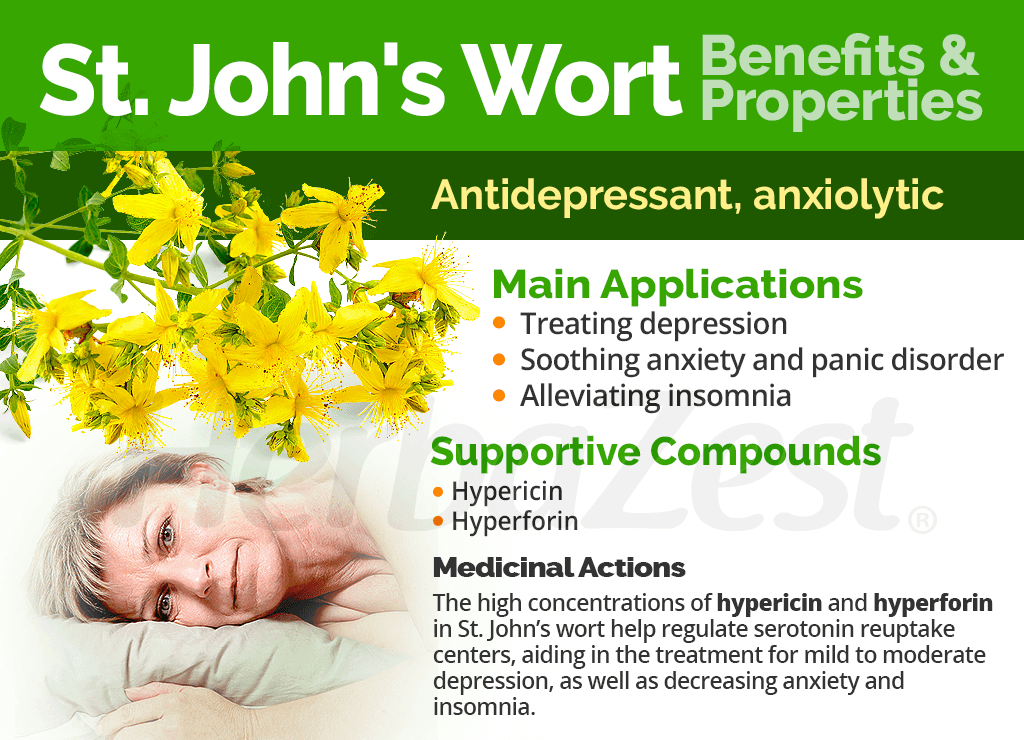
St john’s wort uses, precautions and side effects

What Are St. John’s Wort’s Uses?
St. John’s wort was used to treat wounded soldiers during the Crusades, and drive out the “inner devil” in people during Medieval times.
However, St. John’s wort’s history of medicinal use dates back to ancient Greece, where it was believed to possess “magical powers.”
It was also recommended to be used against hallucinations by Paracelsus, a Swiss man considered “the father of chemistry and the reformer of material medica” (among many other nicknames).
The use of St. John’s wort is prevalent in some European countries, such as Germany, against mental health issues like depression. St. John’s wort can be found in other forms such as tinctures, oils or balms that may help promote healing of burns, wounds, insect bites and bruises.
You may also encounter St. John’s wort products such as supplements, liquids, powders and teas.
st john’s wort uses as tea
St. John’s wort leaves and flowers can be used to make tea that may assist in:
- Boosting your mood, relieve tension and alleviating depression and anxiety
- Providing relief against neuralgia
- Alleviating insomnia
- Lessening physical pain caused by localized nerve pains
- Combating inflammation linked to strains and sprains, such as tennis elbow
- Tackling urinary problems like incontinence and bed wetting in children
- Alleviating gallbladder issues
- Addressing menstrual cramps
- Removing mucus from the lungs, stomach, kidneys and bladder
Remember that if you have high blood pressure levels, are taking anti hypertensive or antidepressant medications, or would need to undergo surgery; drinking St. John’s wort tea may lead to adverse effects.Also, do not take St. John’s wort without consulting a health care practitioner if you are on prescription medications of any sort including birth control pills.

st john’s wort uses as oil
- st john’s wort uses to alleviate wounds and burns
Authors of a 2014 Planta Medica article noted that when used topically, St. John’s wort oil or tinctures may help relieve minor wounds and burns, sunburn, abrasions, bruises, contusions, ulcers and myalgia. It’s also possible to use this oil to help relieve cold sores and viral skin lesions.
- st john’s wort uses to combat inflammatory skin conditions
If you’re diagnosed with eczema, psoriasis or lupus, carefully and neatly applying St. John’s wort oil on the affected area may promote a soothing sensation.
- st john’s wort uses to Control oily skin
Using infused St. John’s wort oil may help you combat naturally oily skin.
- st john’s wort uses to Relieve muscle and joint pain and inflammation
Rubbing a few drops of St. John’s wort oil onto sore muscles may help alleviate discomfort caused by conditions like sciatica, low back pain, neuralgia, arthritis, rheumatic pains, and tendinitis or nerve pain.
If you plan on using this oil, consult a physician and take an allergen patch test to check for potential side effects. Dilute the essential oil with carrier oil like sweet almond, olive, jojoba or coconut, or add it to other oil blends, since it can deliver a warm, balsamic, herbaceous and sweet scent.
St. John’s wort oil blends well with clary sage, cedar, lavender and lemon balm oils. Precautions and Possible St. John’s Wort Side Effects
Extensive research supports that St. John’s wort uses are safe when taken by mouth for up to three months, and some evidence suggests it can be used safely for over one year.
St. John’s wort side effects include trouble sleeping, vivid dreams, restlessness, anxiety, irritability, stomach upset, fatigue, dry mouth, dizziness, headaches, skin rash, diarrhea and tingling.
Keep in mind that it generally takes weeks or even months for St. John’s wort uses to become noticeable. It is not a fast-acting treatment for conditions like depression and increasing your dose isn’t going to make it work immediately.
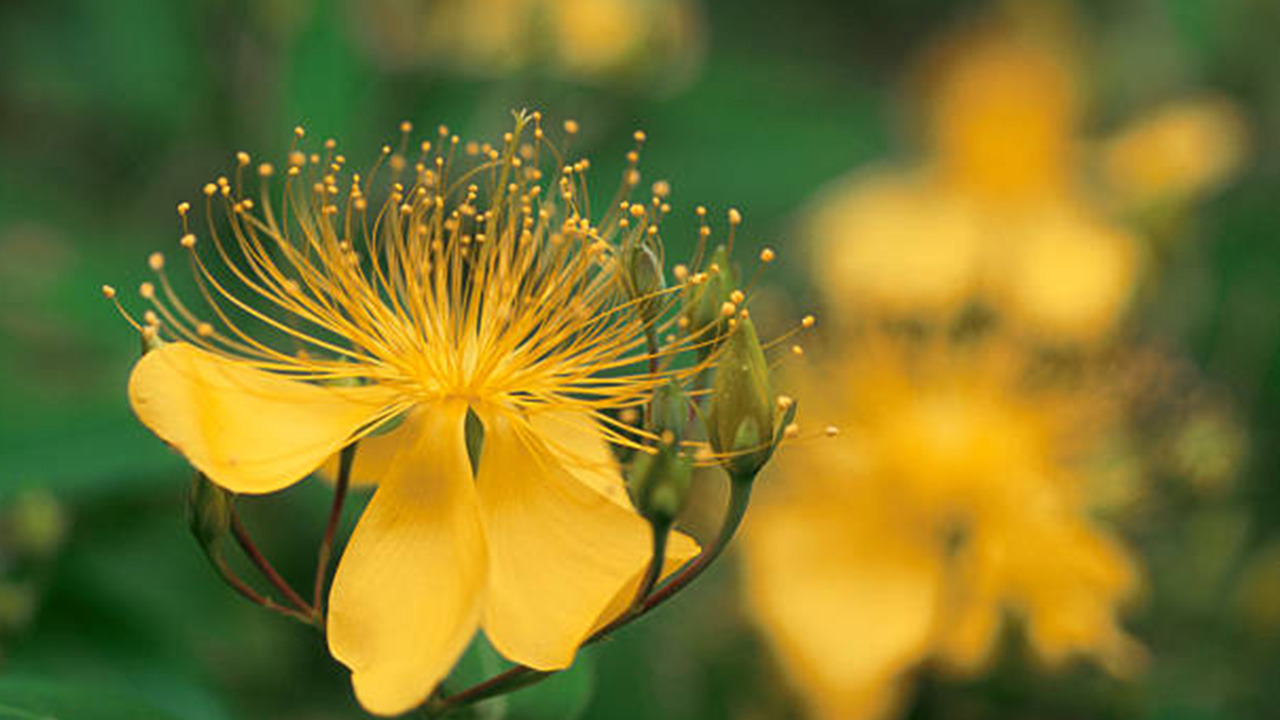
You need to give it time. When taken in large doses, St. John’s wort may cause severe reactions to sun exposure, so be sure to wear sun block outside, especially if you are light-skinned.
Taking St. John’s wort is not recommended for women who are pregnant or breastfeeding; it’s most likely safe for children between the ages of 6 and 17, but they shouldn’t take it for more than eight weeks.
Precautions Regarding St. John’s Wort uses
There are a number of health cautions pertaining to St. John’s wort uses that need to be considered before use. Recent research shows these interactions result from the ability of St. John’s wort components to produce intestinal or hepatic enzymes that either remove drugs from the body or metabolize them to inactive forms.
Some cases have found that it can interfere with conceiving a child, worsen the symptoms of ADHD when taking medication already, lead to manic episodes in people who are bipolar or suffer from major depression, contribute to dementia in people with Alzheimer’s disease, and bring on psychosis in some people with schizophrenia.
If you are taking St. John’s wort, be mindful if you notice an allergic reaction, feelings of fatigue or restlessness, increased blood pressure, increased sensitivity to the sun, and an upset stomach.
It’s important to tell your doctor if you’re taking St. John’s wort because it does interact with several medications, including birth control pills, allergy medications, and sedatives, medications for migraines and heart disease medications. Consult your doctor before taking St. John’s wort if you:
- have a bleeding disorder
- are suicidal or severely depressed
- have a weak immune system
- take drugs for HIV/AIDS
- have high cholesterol
- have seizures
- have a weak nervous system
- are prone to swelling
- have stomach or intestinal problems
- have cataracts
- have diabetes